Health and Safety Policy for Gardeners Bellingham
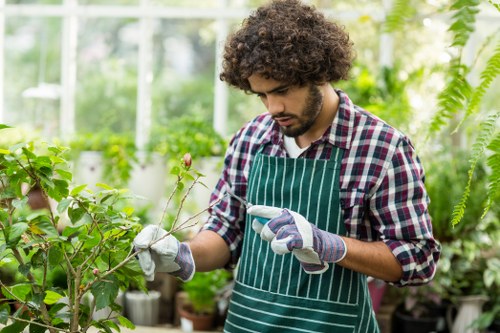 This Health and Safety Policy sets out the standards expected from professional garden care teams and the practical steps used to reduce risk during everyday work. For gardeners Bellingham, safety is not treated as an extra task; it is part of every decision made on site, from planning visits to using tools and handling materials. Our approach is based on prevention, training, supervision, and clear communication, with the aim of protecting workers, clients, visitors, and property.
The policy applies to all maintenance, planting, pruning, clearance, and seasonal tasks carried out in domestic or commercial outdoor spaces. It covers routine hazards such as slips, trips, manual handling, noise, dust, plant allergies, sharp tools, and changing weather conditions. Every gardening assignment is assessed before work begins so that suitable controls can be put in place. The goal is to maintain a safe working environment without compromising the quality of the finished garden.
We expect all members of the team to take responsibility for safe conduct and to speak up whenever a risk is identified. Garden care safety depends on shared awareness, careful preparation, and the consistent use of approved equipment. This policy supports a culture where hazards are recognised early, accidents are reported promptly, and corrective action is taken without delay.
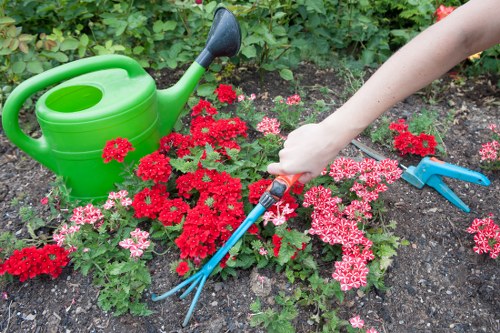 Before any task starts, a basic site check is completed to identify uneven ground, hidden debris, unstable structures, overhanging branches, nearby water features, and other possible hazards. Where needed, work areas are marked or restricted to reduce exposure. Tools and machinery are inspected before use, and any item that is damaged, faulty, or unsafe is removed from service immediately. Safe working conditions are always given priority over speed.
All workers must use the correct personal protective equipment for the task being performed. This may include gloves, safety footwear, eye protection, hearing protection, high-visibility clothing, or respiratory protection when dust and fine particles are present. Clothing should be suitable for outdoor work and should not create unnecessary entanglement risks. Equipment is selected for the job, used according to manufacturer instructions, and stored securely when not in use.
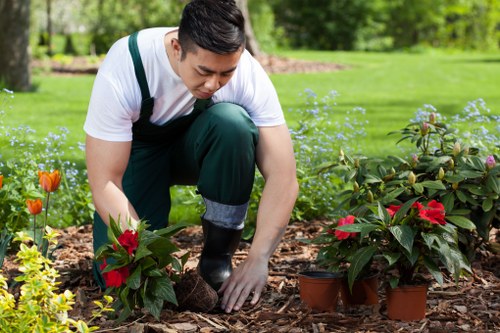 Manual handling is managed carefully because many gardening tasks involve lifting, carrying, pushing, pulling, bending, and repetitive movement. Loads should be reduced where possible, and heavier items should be split into smaller quantities or moved with assistance. Workers are encouraged to use correct posture, plan movement routes, and avoid sudden twisting or overreaching. Health and safety in gardening also means allowing enough time for tasks so that safe lifting and steady movement are not rushed.
Plant materials, soil additives, and cleaning agents must be handled in accordance with product instructions and stored in a way that prevents contamination or accidental contact. If any substance may cause irritation or allergy, appropriate controls are applied and gloves or other protective items are used. Waste is collected and disposed of carefully to keep paths clear and reduce the chance of cuts, trips, or environmental harm. Sharp branches, broken pots, and hidden objects are treated as hazards until removed.
Weather is an important factor in outdoor safety. Hot conditions require water, rest breaks, shade where possible, and awareness of heat stress. Cold, wind, rain, and frost can make surfaces slippery and increase fatigue, so work methods are adjusted to suit the conditions. If visibility is poor or severe weather creates unsafe circumstances, operations may be paused or rescheduled. Good judgement is essential when conditions change during the day.
Children, pets, residents, and visitors must be considered throughout the work period. Tools, chemicals, cords, and waste should never be left in positions that create avoidable danger. When work takes place near a public route or shared access area, the team uses sensible controls to separate people from active tasks. Communication is kept clear and respectful so that everyone on or near the site understands what is happening.
Training is central to this policy. Staff are expected to understand the safe use of tools, correct lifting practices, hazard awareness, emergency procedures, and the reporting of incidents or near misses. Refresher learning is provided when needed, especially after changes to equipment, methods, or risk levels. Supervisors monitor work to confirm that safety standards are being followed and that any concerns are dealt with promptly.
Emergency planning is also part of responsible garden management. First aid supplies are available where appropriate, and workers should know what to do if an injury, collapse, fire, or serious incident occurs. Access routes must remain clear enough for safe movement, and emergency services should not be delayed by blocked paths or poorly placed equipment. In the event of an incident, the area is made safe before work continues.
Gardeners Bellingham are committed to reviewing this policy regularly so that it remains effective, practical, and aligned with day-to-day working conditions. 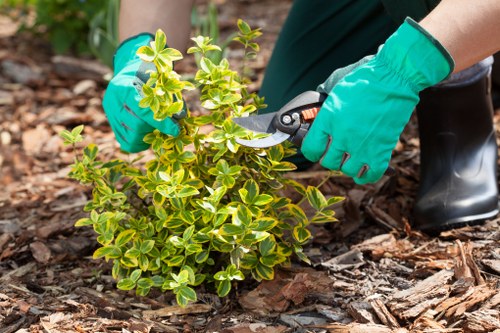 Any unsafe practice, equipment defect, or changed site condition must be reported and addressed. Safety is treated as an ongoing responsibility, not a one-time checklist, and every job is carried out with care for people, property, and the surrounding environment.
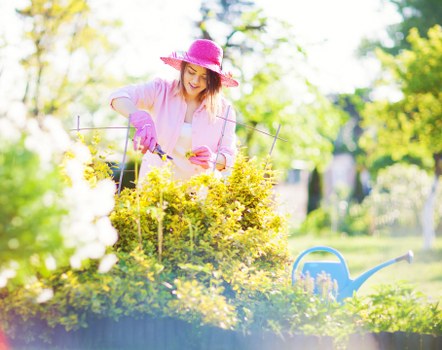 This policy reflects a simple principle: professional gardening should enhance outdoor spaces without creating unnecessary risk. By combining planning, attention, and consistent working standards, garden maintenance safety can be achieved across a wide range of tasks and settings. Every worker is expected to contribute to a safe outcome, and every site is approached with caution, respect, and professionalism.