Garden Maintenance in Bellingham: Keep Your Landscape Healthy, Beautiful, and Ready for Every Season
Why Garden Maintenance in Bellingham Matters
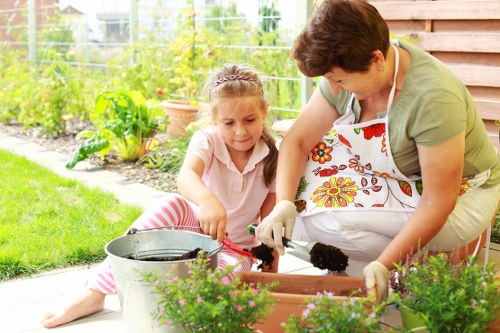
Garden maintenance in Bellingham is more than a seasonal chore; it is a practical investment in the health, appearance, and long-term value of your property. With the region’s cool, damp climate, changing rainfall patterns, and temperate growing seasons, landscapes in Bellingham can thrive beautifully when they receive consistent care. At the same time, those same conditions can encourage moss, fungal growth, compacted soil, and fast weed spread if a yard is neglected for too long.
Homeowners and property managers often discover that routine garden maintenance in Bellingham makes a noticeable difference in how a property looks and functions. A well-maintained garden supports healthier plants, better drainage, cleaner outdoor spaces, and a more welcoming environment for family, guests, and customers. Whether you manage a small urban yard or a larger residential landscape, regular attention helps prevent minor problems from becoming costly repairs.
The best part is that proper garden maintenance does not need to feel overwhelming. With the right seasonal schedule, the right tools, and a clear understanding of local conditions, Bellingham garden care can be manageable and highly rewarding. Consistent upkeep keeps lawns greener, shrubs fuller, flower beds cleaner, and trees safer throughout the year.
Understanding Bellingham’s Climate and Its Impact on Garden Care
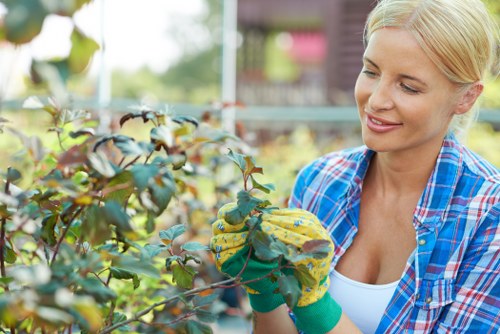
Bellingham’s environment creates both opportunities and challenges for plant growth. Rainfall supports lush greenery, but it also means that gardens can become waterlogged or develop moss if drainage is poor. Cool temperatures extend the life of many plants, while occasional dry spells require thoughtful watering to avoid stress. Effective garden maintenance in Bellingham starts with understanding these conditions and planning accordingly.
Because the city sits in a Pacific Northwest setting, many landscapes experience long periods of moisture. That moisture can be beneficial for established shrubs, perennial beds, and shade-loving plants, but it also means gardeners must watch for leaf rot, mildew, fungus, and slippery walkways. Smart garden maintenance in Bellingham includes removing debris, improving airflow around plants, and selecting species that suit local weather patterns.
Soil quality matters just as much as rainfall. In some yards, soil becomes compacted from foot traffic or heavy winter moisture. In others, sandy areas drain too quickly and need organic matter to hold nutrients. Professional landscaping care or attentive DIY maintenance helps balance these conditions so your outdoor space can stay vibrant through spring, summer, fall, and winter.
Core Services Included in Garden Maintenance in Bellingham

Garden maintenance in Bellingham usually includes a mix of recurring tasks designed to keep outdoor spaces healthy and attractive. These services may be performed weekly, biweekly, monthly, or seasonally depending on the size of the property and the condition of the landscape. A thoughtful maintenance plan often focuses on both plant health and visual appeal.
Common tasks include:
- Lawn mowing and edge trimming
- Weed control in beds, lawns, and hardscape edges
- Pruning shrubs, hedges, and small ornamental trees
- Mulching to protect roots and reduce evaporation
- Leaf removal and debris cleanup
- Deadheading flowers to encourage reblooming
- Soil conditioning and fertilizer application
- Irrigation checks and watering adjustments
These services may sound simple, but when they are carried out consistently, they create a major improvement in the overall condition of the property. Garden maintenance in Bellingham works best when every task supports the others, from weed suppression to proper pruning and soil improvement.
Pruning and Trimming for Healthier Growth
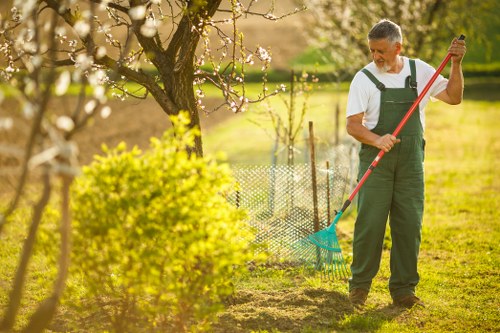
Pruning is one of the most important parts of garden maintenance in Bellingham because it directly affects plant structure, flowering, and long-term vitality. Shrubs and small trees benefit from regular shaping, while overgrown branches can block sunlight, limit airflow, and create unnecessary stress on the plant. Proper pruning also helps reduce the risk of broken limbs during windy weather or heavy rain.
Different plants require different pruning approaches. Flowering shrubs may need trimming after blooming, while deciduous trees often do best with seasonal cuts that remove dead or crossing branches. A knowledgeable gardener understands that garden maintenance in Bellingham is not about cutting everything back; it is about making targeted cuts that encourage healthy development.
When trimming is done carefully, the result is a cleaner, more balanced landscape. Plants receive better access to light and air, which reduces the chance of disease and gives the garden a polished look. For homeowners who want a tidy and well-kept property, regular pruning is one of the highest-value maintenance services available.
What to Watch for During Pruning
Look for dead wood, broken stems, crowded growth, and branches that rub together. If a plant has become too dense, it may need selective thinning rather than a simple haircut. This approach is especially useful in Bellingham, where damp weather can make thick plantings more vulnerable to mildew and rot.
Seasonal Garden Maintenance in Bellingham
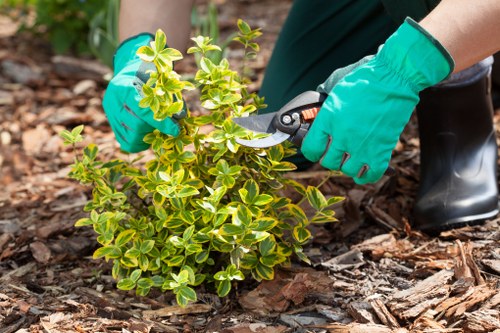
Because the Pacific Northwest has distinct seasonal patterns, garden maintenance in Bellingham should shift throughout the year. Each season creates different priorities, and the most successful landscapes are managed with a plan that adjusts to those changing needs. A yard that looks great in spring may require different attention by late summer or after fall leaf drop.
In spring, the focus often includes cleanup, new planting, soil enrichment, and early weed control. This is the time to remove winter debris, assess plant damage, and prepare beds for growth. Summer maintenance often centers on mowing, watering, deadheading, pest monitoring, and light pruning. During fall, leaf management, mulching, and final lawn care become more important. Winter may call for protection of sensitive plants, drainage checks, and occasional cleanup after storms.
Seasonal garden maintenance in Bellingham keeps the property ready for the next stage of growth rather than reacting to problems after they appear. By staying ahead of seasonal changes, property owners can preserve healthy roots, reduce plant stress, and prevent clutter from building up around the landscape.
Spring Tasks That Set the Tone for the Year
Spring is the season when many gardens in Bellingham awaken from their slower winter pace. This is a prime time to remove dead foliage, edge garden beds, refresh mulch, and fertilize plants that are preparing for active growth. It is also a strong time to inspect irrigation systems and repair any issues before warmer weather arrives.
Weed prevention begins early in the year. Once weeds establish roots, they are harder to control and can compete with ornamentals for nutrients and water. A clean, organized spring setup gives the rest of the year a better foundation. In many cases, a little extra spring attention significantly reduces maintenance later on.
If trees or shrubs suffered during winter, spring is also when damage becomes visible. Garden maintenance in Bellingham should include checking for cracked branches, winter burn, and signs of disease. Addressing these issues quickly helps protect the plant and maintain curb appeal.
Summer Care for Lush, Healthy Landscapes
Summer maintenance is about consistency. Lawns need regular mowing, beds need weeding, and plants need monitoring during hotter, drier periods. Even in a cooler climate, some areas of Bellingham experience dry stretches that can stress new plantings or shallow-rooted shrubs. Watering deeply and less frequently is often better than frequent shallow watering.
Summer is also a useful time to deadhead flowering plants and trim back fast-growing shrubs. These tasks encourage continued blooming and prevent the garden from looking unruly. A well-managed summer landscape feels lived-in and vibrant, not overgrown.
Careful garden maintenance in Bellingham during summer can also reduce pest pressure. Healthy, well-spaced plants are less attractive to many pests than crowded, stressed plantings. Good airflow, proper hydration, and clean bed edges all support a more resilient garden.
Weed Control and Bed Cleanup
Weeds are one of the most persistent problems in garden maintenance in Bellingham. The damp climate can help weeds sprout quickly, and seeds can spread through wind, birds, and foot traffic. If left unchecked, weeds compete with desirable plants for water, light, and nutrients while making beds look neglected.
Effective weed control starts with prevention. Mulch helps suppress weed growth, soil coverage limits exposed seedbeds, and regular bed inspection catches small problems early. Pulling weeds before they set seed makes a significant difference over time. In more established gardens, a combination of manual removal and maintenance products may be needed to keep weeds under control.
Bed cleanup is equally important. Fallen leaves, broken branches, and dead plant material can create a cluttered appearance and may also harbor pests or disease. Regular cleanup keeps borders crisp and prevents debris from smothering healthy plants. For many property owners, this is one of the most visible signs of professional-level garden maintenance in Bellingham.
Simple Bed Maintenance Practices
- Remove weeds while the soil is moist for easier root extraction
- Replenish mulch before it becomes thin or uneven
- Cut back dead annuals after flowering ends
- Refresh bed edges to maintain clean lines
- Inspect for pests and fungal spots during cleanup
Lawn Care as Part of Garden Maintenance in Bellingham
A healthy lawn often serves as the foundation for a beautiful yard, and it is closely connected to overall garden maintenance in Bellingham. Grass can look strong and green when it is mowed regularly, fed properly, and kept free from compacted soil and invasive weeds. Neglected lawns, on the other hand, can quickly make a property feel unfinished even if the flower beds are in good shape.
Key lawn care tasks include mowing at the right height, edging along sidewalks and garden beds, aerating compacted areas, and applying fertilizer at the appropriate time. In wetter parts of the year, mowing height becomes especially important because cutting grass too short can weaken roots and create bare patches. Aeration improves water and nutrient movement, which is valuable in soils that have become compressed over time.
When lawn care is integrated into broader garden maintenance in Bellingham, the entire property benefits. A consistent mowing schedule, cleaner transitions between turf and beds, and healthy grass color all contribute to a more polished, welcoming exterior.
Why Edging Makes a Big Difference
Edging may seem like a small detail, but it has a huge visual impact. Crisp edges separate lawns from planting beds, sidewalks, and driveways, giving the whole landscape a more intentional look. In a city where outdoor spaces are often admired for their natural beauty, clean edging adds a refined finish.
Edging also helps keep grass from creeping into beds and makes future maintenance easier. When bed lines are clearly defined, weeds are easier to spot and mulch stays in place better. It is a simple task that supports both style and function.
For property owners who value curb appeal, edging is one of the most cost-effective parts of garden maintenance in Bellingham. It instantly signals that a yard is cared for and regularly maintained.
Useful edging tips
Keep border shapes simple and easy to maintain. Re-cut edges after periods of heavy rain if the soil softens and blurs the line between lawn and bed. Pair edging with mulch refreshes for the best effect.
Mulching, Soil Health, and Plant Nutrition
Healthy soil is the engine behind successful garden maintenance in Bellingham. Without good soil structure and nutrient balance, even beautiful plants can struggle. Mulching, composting, and fertilizing all help improve soil conditions while supporting roots and reducing maintenance needs.
Mulch provides several advantages. It helps retain moisture, moderates soil temperature, suppresses weeds, and gives beds a clean finished appearance. Organic mulch also breaks down over time, adding valuable matter back into the soil. This is especially helpful in garden beds that need steady improvement year after year.
Nutrition matters too. Plants use different nutrients at different stages of growth, and soil testing can reveal whether amendments are needed. In many landscapes, a balanced fertilization plan is a key part of garden maintenance in Bellingham because it supports both flowering and structural growth. Applying fertilizer at the wrong time or in the wrong amount can cause stress, so timing matters.
Building Stronger Soil Over Time
Adding compost, improving drainage, and reducing compaction all contribute to healthier soil. If soil is too dense, roots struggle to spread. If it drains too quickly, plants may not retain enough moisture. Thoughtful soil care is one of the smartest long-term investments in any Bellingham landscape.
Pest and Disease Monitoring
Garden maintenance in Bellingham also means keeping an eye out for pests and disease. Damp conditions can favor fungus and mildew, while stressed plants may attract insects more easily. Early detection is the best defense, since many common issues can be managed more effectively when they are identified quickly.
Regular inspections should include checking leaf surfaces, stems, soil levels, and the base of shrubs and trees. Look for chewed leaves, sticky residue, unusual spotting, and sudden color changes. These symptoms may signal pests, nutrient issues, or fungal infections. When caught early, many problems can be corrected with pruning, sanitation, or targeted treatment.
Proactive garden maintenance in Bellingham reduces the odds of widespread damage. Healthy spacing, good airflow, and proper watering all make plants less vulnerable. A clean landscape is not just attractive; it is also more resistant to common outdoor problems.
Watering Practices That Support Long-Term Health
Even though Bellingham receives regular rainfall, irrigation still plays a role in garden care, especially during dry periods or for newly planted areas. The goal is not simply to water more, but to water wisely. Deep watering encourages roots to grow downward, which helps plants handle changes in weather better.
Morning watering is often a smart choice because it reduces evaporation and allows leaves to dry during the day. Wet foliage left overnight can increase the risk of mildew and fungal issues. Drip irrigation and soaker hoses can also be effective because they deliver water directly to the root zone.
For many landscapes, proper watering is one of the most overlooked parts of garden maintenance in Bellingham. A well-timed watering routine can protect trees, shrubs, vegetables, and flowers while keeping the yard looking vibrant through drier stretches.
Watering best practices
- Water deeply rather than frequently
- Adjust irrigation after heavy rain
- Check for overspray onto sidewalks and driveways
- Group plants with similar moisture needs together
- Use mulch to reduce evaporation
Preparing Gardens for Fall and Winter
As temperatures cool and the growing season slows, garden maintenance in Bellingham shifts toward preparation and protection. Fall is the ideal time to collect leaves, clean up dying annuals, cut back certain perennials, and add mulch before colder weather arrives. These actions help gardens enter winter in better condition.
Winter care is about minimizing damage. Heavy rain can wash away soil or expose roots, so drainage should be checked before storms become frequent. Sensitive plants may need protection from frost or wind, and containers may need to be moved to sheltered locations. Even during the dormant season, ongoing attention keeps the property tidy and reduces spring cleanup later.
Winter-ready garden maintenance in Bellingham also protects hardscape areas. Clear walkways, unclogged drains, and well-managed runoff help prevent pooling water and slippery surfaces. A landscape that is prepared for winter remains safer and easier to restore when spring returns.
Benefits of Professional Garden Maintenance in Bellingham
While many homeowners enjoy doing some yard work themselves, professional garden maintenance in Bellingham can save time and improve results. Experienced crews understand local growing conditions, seasonal timing, pruning methods, and soil needs. They can also handle larger properties or recurring maintenance tasks more efficiently than a typical weekend schedule allows.
Professional service can be especially valuable when a landscape includes many plant varieties, mature trees, steep terrain, drainage concerns, or areas that require regular cleanup. Instead of reacting to problems one at a time, a maintenance plan creates consistent standards for the entire property. That consistency is what keeps a yard attractive over the long run.
In addition, professional upkeep can help protect property value. A neat, thriving landscape creates a positive impression and often makes a home feel more complete. For businesses and rental properties, the impact on appearance and first impressions can be even more pronounced.
How to Choose the Right Maintenance Approach
The right plan depends on the size of the property, the types of plants present, and how much time you want to spend on upkeep. Some owners need weekly service for lawns and beds, while others may only need seasonal visits for pruning, cleanup, and mulch refreshes. The important thing is to match the maintenance plan to the actual needs of the landscape.
Consider whether the property has problem areas such as poor drainage, recurring weeds, or overgrown shrubs. These concerns often benefit from a more structured approach. If your goals are primarily visual, you may prioritize edging, mowing, and bed cleanup. If the focus is plant health, soil care and pruning may take center stage.
Ultimately, good garden maintenance in Bellingham is personalized. No two yards are identical, and the best results come from routines that respect plant needs, weather conditions, and the way the property is used.
Questions to ask before starting a plan
- Which areas of the garden need the most frequent attention?
- Are there drainage or soil issues that should be corrected first?
- Which plants require seasonal pruning or special care?
- How much cleanup is needed during fall and winter?
- What level of curb appeal is expected throughout the year?
Creating a Beautiful Outdoor Space Year-Round
A well-kept landscape is more than a collection of plants; it is an extension of the home or business. When garden maintenance in Bellingham is consistent, the outdoor space becomes easier to enjoy, easier to manage, and far more visually appealing. Clean borders, healthy plants, tidy lawns, and well-maintained beds all work together to create a welcoming atmosphere.
Year-round success depends on building habits that align with the local climate. That includes planning ahead for spring growth, managing summer watering, cleaning up leaves in fall, and protecting the landscape through winter. It also means recognizing that maintenance is not a one-time project but an ongoing process that rewards steady care.
If your goal is a greener lawn, healthier shrubs, and a more polished property overall, now is the ideal time to prioritize garden maintenance in Bellingham. Contact us today to discuss your needs, or book your service now to keep your landscape looking its best through every season.