Randlesdown Road landscaping and gardeners before and after story
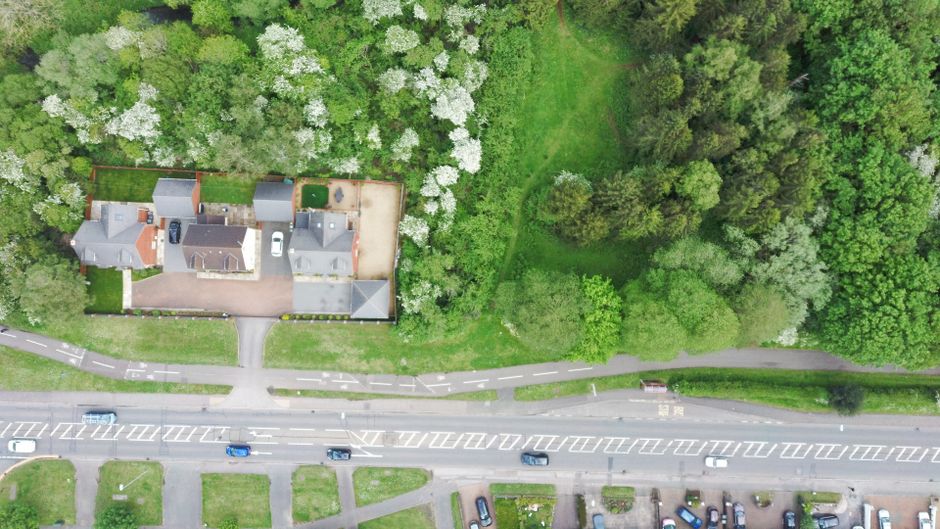
If you have ever stood at the back door looking at an overgrown patch of turf, a tired patio, or a garden that feels more like a storage area than a place to relax, you will understand the appeal of a proper transformation. The Randlesdown Road landscaping and gardeners before and after story is not just about neat borders and fresh turf. It is about turning a space that feels awkward, neglected, or hard to use into something that genuinely works for everyday life.
In practical terms, that usually means careful planning, the right gardening services, and a clear idea of what the space needs now and what it should do later. A good result can make a small garden feel bigger, make maintenance less of a chore, and, yes, make the whole place look calmer the second you step outside. Let's face it, a garden that looks and feels sorted changes how a home feels too.
This article breaks down what a before-and-after garden project on Randlesdown Road typically involves, why it matters, how landscaping and gardeners work together, and what to look out for if you are planning your own change. There is also a checklist, a comparison table, and a realistic example so you can see the process in plain English.
Why Randlesdown Road landscaping and gardeners before and after story Matters
A before-and-after story matters because it shows the difference between a garden that is simply present and a garden that is actually usable. On streets like Randlesdown Road, outdoor spaces can vary a lot. Some are narrow and shaded, some are sloping, and some have patchy lawns, tired fencing, or old paving that has seen better days. A professional landscaping approach helps bring order to that mix.
The other reason it matters is emotional, which sounds soft but is often the real driver. People do not usually call in gardeners because they want a purely technical exercise. They call because they are fed up with weeds, embarrassed by what guests see, or tired of spending weekends fighting a garden that never seems to improve. That's a very normal feeling.
Good landscaping is not only about appearance. It is also about how the space functions through the year. Can you walk across it without sinking into mud? Does the garden drain properly after rain? Is there space for children, pets, containers, or a quiet seat in the evening? These are the questions that turn a simple tidy-up into a lasting improvement.
If you want to understand the broader service picture, it helps to look at the full range of gardening services and where they fit within a project. A tidy lawn alone is rarely the full answer. Often the strongest results come from combining design, clearance, maintenance, and finishing touches.
Expert takeaway: the best before-and-after garden stories are not about dramatic visuals alone; they are about solving everyday problems so the garden becomes easier to live with, easier to keep tidy, and more enjoyable in ordinary British weather.
How Randlesdown Road landscaping and gardeners before and after story Works
A strong garden transformation usually follows a sensible sequence. You do not start by buying plants and hoping for the best. You begin by understanding the space, its limitations, and how the people using it actually live.
The initial stage is usually a site assessment. A gardener or landscaper looks at the layout, soil condition, sun and shade, access for equipment, existing structures, and any problem areas such as overgrowth, poor drainage, or damaged hard landscaping. On a local street, even small details matter. A narrow side access, for example, can change what machinery or materials are practical.
From there, the plan is built around priorities. A family garden might need durable lawn care, a safer play area, and low-maintenance planting. A rental property might need a cleaner, simpler layout with strong curb appeal. A retirement household might prefer easier access, less mowing, and a more manageable planting scheme. Different needs, different answers.
In many cases, the work is split into three parts:
- Clear and reset: remove waste, unwanted growth, and old features that no longer help.
- Build and shape: install or repair paths, borders, fencing, lawns, patios, or decking where needed.
- Finish and maintain: plant, trim, mow, level, clean, and set up a maintenance routine.
Where the garden has become heavily cluttered or unmanaged, garden clearance is often the sensible starting point. Truth be told, you cannot landscape cleanly on top of a mess and expect the result to last. First you reset the space, then you improve it.
After that, the details matter. Edges need to be crisp. Levels need to feel balanced. Materials should suit the property, not fight it. A garden with too many competing features can feel smaller than it is. A good team keeps the design simple enough to maintain but smart enough to look finished.
Key Benefits and Practical Advantages
The visible benefit is obvious: the garden looks better. But the deeper value is usually more practical than glamorous. A well-planned garden can reduce work, improve safety, and make daily life feel less cluttered. That matters whether you are hosting friends, letting children play outside, or just trying to enjoy a quiet cup of tea without staring at a wilderness.
Here are the main advantages people notice after a proper landscaping project:
- Better first impressions: a tidy, structured garden instantly lifts the look of the home.
- Less ongoing effort: low-maintenance choices can save a surprising amount of time.
- Improved usability: seating, play, planting, and access all become clearer.
- Safer movement: level surfaces, clearer paths, and healthy boundaries reduce awkward trips and slips.
- Stronger value perception: buyers and tenants often read the garden as part of the overall condition of the property.
- More seasonal enjoyment: the space works better in spring, summer, autumn, and even those damp months when everything feels a bit grey.
There is also a psychological win. A messy garden can feel like unfinished business every time you look at it. Once the space is handled properly, that background irritation disappears. Small thing, maybe. But it really does affect how a home feels.
For many projects, practical finishing touches such as lawn care make a major difference to the final result. A garden can be beautifully designed, but if the grass looks tired, it still reads as half-done. Likewise, patio cleaning can bring back colour and definition without needing major reconstruction.
Who This Is For and When It Makes Sense
This kind of project is ideal for homeowners who want a genuine transformation rather than a quick trim. It also makes sense for landlords, house sellers, and anyone whose outdoor space has drifted into the "we'll sort it later" category. To be fair, most gardens get there eventually if nobody has time to keep on top of them.
You may benefit from a before-and-after landscaping approach if:
- your lawn is patchy, compacted, or badly overgrown;
- weeds are taking over borders and paths;
- fencing is tired, leaning, or visually broken;
- you want a more modern, clean layout;
- the garden feels awkward to use or lacks a clear purpose;
- you need a lower-maintenance setup;
- you are preparing a property for sale or letting;
- you simply do not want to spend every weekend fighting the space.
It also suits people who want different levels of help. Some want a full redesign, while others just want a practical reset and ongoing care. A good gardener does not push one outcome for every garden. They adjust to the site and to the budget. That's the sensible way.
If you are still deciding how much support you need, a mix of garden maintenance and landscaping is often the sweet spot. You get structural improvement without creating a garden that becomes difficult to maintain later.
Step-by-Step Guidance
Here is the process in a simple form. Not every project looks identical, but this is the usual flow when a garden is being transformed properly rather than patched up.
- Walk the site and define the problem. What is actually wrong here? Too much shade, too little structure, poor drainage, no seating, messy borders, weak lawn, all of the above?
- Set the goal. Do you want a family-friendly garden, a low-maintenance courtyard feel, or a more natural planting scheme? You cannot design a useful space without that answer.
- Clear the clutter. Remove dead plants, waste, broken pots, rotten timbers, and anything else that blocks the new plan.
- Sort the hard surfaces. Paths, patios, edging, and access areas may need cleaning, repairing, or replacement.
- Handle structural features. Fencing, sheds, borders, raised beds, decking, or boundary changes should be addressed before planting.
- Prepare the soil and levels. This is one of the least glamorous steps and one of the most important. Bad preparation causes future headaches.
- Lay turf, seed, or planting. The choice depends on the site, time, and desired finish.
- Trim, shape, and refine. Hedges, shrubs, and trees should be brought into proportion.
- Set a maintenance plan. Without follow-up care, even a great redesign can slide back.
A lot of people want to jump straight to the "after" picture. Fair enough. But the "before" work is where the real quality lives. It is the part nobody photographs, and it is the part that decides whether the garden still looks good six months later.
Where access, drainage, or boundary issues are involved, services such as fencing, decking services, or even tree surgery may be needed as part of the wider job. The best projects usually mix multiple services sensibly rather than treating each element as separate.
Expert Tips for Better Results
There are a few simple habits that separate a decent garden project from a really good one. None of them are flashy. Most are just good judgement, applied consistently.
- Keep the design honest. Match the garden to the actual level of maintenance you will keep up with.
- Do not overcomplicate the layout. A clean, readable plan often looks better than a busy one.
- Think in zones. Even a small space can have separate areas for sitting, planting, and moving through.
- Use repetition carefully. Repeated materials or plant forms can make a space feel calm.
- Plan for rain, not just sunshine. In the UK, that is hardly optional.
- Choose upkeep you can realistically handle. A stunning garden that is impossible to maintain is not really a success.
In our experience, one of the best moves is to improve the garden edges first. Clean lines around lawns, borders, and hard surfaces create an immediate sense of order. You notice it instantly, even before the planting has settled in.
Another useful habit is to ask how the garden will look from inside the house. That view matters more than people realise. You spend a lot of time looking through windows, not just standing outside. So the "after" picture needs to work from both angles.
If tree growth is throwing shade or blocking the layout, tree lopping and removal may sometimes be part of the broader plan. Use that carefully, of course. Not every tree problem needs removal, and a good professional will treat mature trees with proper respect.
Common Mistakes to Avoid
People often make the same errors when trying to transform a garden, especially if they start with enthusiasm and a few weekend plans. It happens.
- Skipping the reset stage. If you do not clear and prepare properly, the finish will struggle.
- Choosing features that dominate the space. A big patio or heavy structure can overwhelm a modest garden.
- Ignoring drainage. Water pooling can undo a lot of good work very quickly.
- Mixing too many materials. Too much variety can make a space feel smaller and busier.
- Planting for the catalogue, not the garden. Lovely plants are not always suitable for shade, soil, or maintenance levels.
- Forgetting the long term. Maintenance is not an afterthought; it is part of the design.
- Using poor-quality boundary fixes. Wobbly fencing or rushed edge work tends to show up fast.
One slightly unglamorous but important mistake is underestimating how much time soil prep and clearing can take. People see the final neat result and assume the hard bit was the planting. Not quite. The hard bit is what happens before the lovely part begins.
If you are tempted to treat the project like a one-off tidy-up, pause for a second. A garden that gets transformed but not maintained often slides back within a season or two. A small maintenance plan is not a luxury; it is the bridge between "after" and "still looking good."
Tools, Resources and Recommendations
You do not need a shed full of specialist kit to understand what makes a good result, but it helps to know the main tools and services that usually support a transformation. These are the practical pieces behind the polished finish.
Common tools and materials may include:
- spades, forks, rakes, and edging tools for soil and border work;
- wheelbarrows and bags for clearance;
- turfing materials or seed for lawn recovery;
- timber, panels, or posts for boundary work;
- pressure cleaning equipment for patios and hard surfaces;
- mulch, compost, and topsoil for planting and soil improvement;
- pruning and trimming tools for shrubs, hedges, and structural planting.
From a service perspective, the most useful support often comes from combining specialist tasks rather than trying to do everything in one broad sweep. For example, hedge trimming can instantly open up a space that felt cramped, while lawn mowing helps the whole garden read as cared for, even before the bigger work is finished.
It is also worth checking how a provider handles practical details like pricing and quotes, insurance and safety, and recycling and sustainability. These are not glamorous topics, but they are the difference between a smooth job and an awkward one.
And yes, a good-looking garden is great. But a good-looking garden that was managed responsibly is better.
Law, Compliance, Standards and Best Practice
For garden work in the UK, compliance is usually less about dramatic legal complexity and more about doing things properly and safely. That means checking access, using safe methods, disposing of waste responsibly, and being clear about what the job includes. Pretty standard stuff, but it matters.
Good practice typically includes:
- careful risk awareness where heavy tools, ladders, or cutting equipment are involved;
- respect for neighbouring properties and shared boundaries;
- proper handling of waste, green cuttings, and removed materials;
- clear communication before any major change to layout or boundary features;
- attention to drainage, access, and trip hazards during and after works;
- working within the terms agreed for the project, with no surprises halfway through.
If a project includes structural changes, tree work, or boundary alterations, the details deserve even more care. A competent team should explain what is realistic, what is advisable, and what may need extra planning. Nobody wins by rushing that part.
It is also sensible to choose a provider that is transparent about policies and customer care. Pages such as about us, terms and conditions, and complaints procedure help set expectations before work begins. That kind of clarity is underrated, honestly.
Options, Methods, or Comparison Table
Not every garden on Randlesdown Road needs the same approach. Some need a full redesign, others just need a tidy reset and a few smart improvements. Here is a simple comparison that may help you decide what level of work fits your situation.
| Approach | Best for | Typical strengths | Watch-outs |
|---|---|---|---|
| Light tidy and maintenance | Gardens that are basically sound but a bit messy | Fast improvement, lower disruption, easier upkeep | Does not solve deeper layout or surface issues |
| Clear-and-improve project | Overgrown or tired gardens needing a reset | Better structure, cleaner visuals, practical gains | Needs good planning to avoid a patchy finish |
| Full landscaping redesign | Gardens with poor layout, damaged features, or major usability problems | Strong transformation, tailored layout, long-term value | More time, more cost, and more decisions to make |
In many real situations, the best answer sits somewhere in the middle. A full redesign may be overkill, but a quick tidy might not fix the underlying problem. A sensible gardener will help you find the middle ground. That is often where the best value lives.
Case Study or Real-World Example
Here is a realistic example based on the kind of project people often ask for on streets like Randlesdown Road. No names, no dramatic claims, just a practical story that shows how the process tends to unfold.
A homeowner had a rear garden that had become difficult to use. The lawn was thin and uneven, the borders were full of self-seeded growth, and a tired patio had lost its colour under a film of dirt and algae. The space was usable in theory, but in practice it felt like a chore. Every time they looked out, there was that small sigh. You know the one.
The work started with a full clear-out and a review of the layout. Broken items were removed, overgrowth was cut back, and the surfaces were assessed. The patio was cleaned, the lawn area was reworked, and the boundaries were neatened. A simple planting scheme was introduced, not too fussy, with shapes that made the garden feel wider and calmer.
There was no magic. Just good sequencing, practical choices, and attention to detail. The biggest visible changes were the cleaner lines, the brighter hard surfaces, and the sense that the whole garden now had a reason to exist. It was no longer a leftover space. It became a proper part of the home.
Later on, regular visits for garden maintenance and selective care kept it on track. That part matters more than people expect. The "after" only stays an after if someone keeps an eye on it.
Practical Checklist
Before you start any Randlesdown Road garden transformation, use this checklist to keep things clear and realistic.
- Define what is wrong with the current space.
- Decide whether you want a tidy-up, a reset, or a full redesign.
- Identify problem areas: lawn, borders, access, drainage, fencing, or hard surfaces.
- Check whether waste removal or clearance is needed first.
- Think about how much maintenance you are willing to do later.
- Choose features that suit the size and shape of the garden.
- Ask how the finish will be maintained after the main work is done.
- Make sure safety, insurance, and agreed terms are clear before work begins.
- Plan for both summer use and wet-weather practicality.
- Keep the design simple enough to live with.
If you tick most of those boxes, you are already ahead of the game. Seriously, a lot of avoidable stress disappears once the brief is honest and the plan is grounded in the real garden, not the idea of one.
Conclusion
The Randlesdown Road landscaping and gardeners before and after story is really a story about making a garden fit the way people live. It is about moving from frustration to function, from clutter to clarity, and from "we should do something about this" to a space that is calm, useful, and worth stepping into.
Whether your garden needs a full transformation or a practical reset, the key is to start with the right priorities: clear the problem areas, shape the space sensibly, and keep maintenance in mind from the beginning. That is how you get a result that still feels good months later, not just on the day the work is finished.
If you are planning your own project, take your time with the brief, ask sensible questions, and choose the combination of services that matches the garden rather than forcing a one-size-fits-all solution. That is usually where the best before-and-after stories begin.
Get a free quote today and see how much you can save.
And if you are standing at the back window right now wondering where to begin, start small. Every better garden begins with one honest look and one good decision.
Frequently Asked Questions
What does a before-and-after landscaping project usually include?
It usually starts with clearance and planning, then moves into structural work, planting, and finishing. Depending on the garden, it may also include lawn improvement, patio cleaning, hedge trimming, fencing, or tree work.
How long does a garden transformation usually take?
That depends on the size of the garden, the amount of clearance needed, and whether hard landscaping is involved. A simple tidy-up may be fairly quick, while a full redesign naturally takes longer.
Do I need a full redesign, or just maintenance?
If the layout is basically sound and the main issue is tidiness, maintenance may be enough. If the garden feels awkward, overgrown, or difficult to use, a more complete landscaping approach may be better.
What is the difference between landscaping and garden maintenance?
Landscaping changes the structure or layout of the space. Garden maintenance keeps the space looking good after that, through mowing, trimming, weeding, and general upkeep.
Is garden clearance always the first step?
Not always, but it often is when a garden is heavily overgrown or cluttered. Clearing the space makes it easier to see what should stay, what should go, and what needs rebuilding.
How do I know if my garden needs fencing or boundary work?
If the garden feels exposed, untidy at the edges, or visually broken, fencing may help. It can also improve privacy and make the overall finish feel more complete.
Can a small garden still have a good before-and-after result?
Absolutely. In fact, small gardens often respond well to clear structure, simple planting, and a tidy layout. A small space can look dramatically better with the right changes.
What should I ask before booking a landscaper or gardener?
Ask what is included, how waste is handled, whether insurance is in place, what the timeline looks like, and how follow-up maintenance will work. Clear answers now save confusion later.
How can I keep the "after" looking good?
Keep on top of mowing, pruning, edging, and seasonal tidy-ups. A regular maintenance plan is the easiest way to protect the investment you have already made.
Are patios and lawns part of the same project?
Often they are. A garden usually looks best when the lawn, hard surfaces, planting, and boundaries are considered together rather than as separate jobs.
What if my garden has poor drainage or uneven ground?
Those issues should be addressed early, because they can affect everything else. Good planning will take the slope, soil, and water movement into account before the final design is settled.
How do I choose between a quick tidy and a larger renovation?
Look at the long-term problem, not just the current mess. If the garden is simply untidy, a lighter service may do. If the space is awkward or failing structurally, a larger renovation is usually more sensible.
Where can I learn more about the service options and practical details?
You can review the provider's service pages, policies, and quote information to understand how they work and what to expect. It is a good way to make a confident, well-informed choice before any work begins.