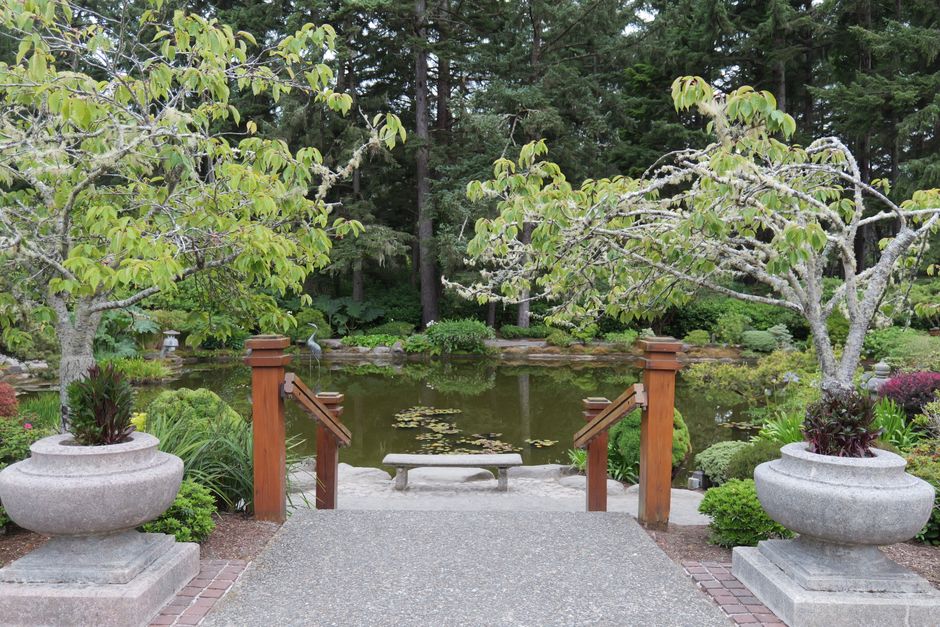
Best gardeners near Bellingham Station reviews and real outcomes
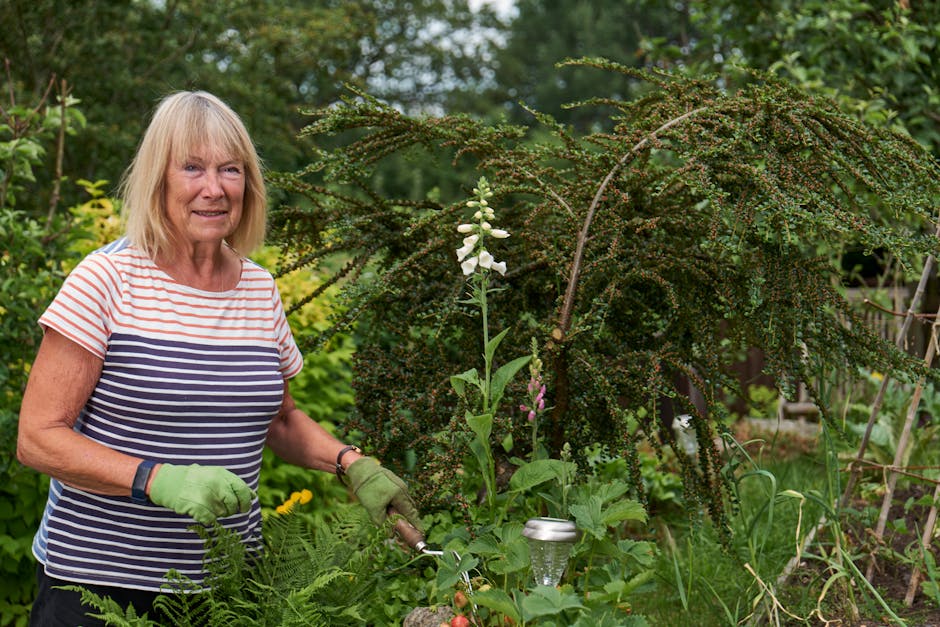
If you are trying to choose the best gardeners near Bellingham Station, reviews can only take you so far. The real question is simpler: who will actually turn up, understand the job, and leave your garden looking better than it did before? That is what this guide is about. We will look at how to judge gardeners properly, what real outcomes look like in practice, and which details matter most when you are comparing local options around Bellingham Station. Truth be told, a tidy website means very little if the borders are still overgrown after the first visit.
Whether you need regular garden maintenance, a one-off clearance, hedge trimming, or help rescuing a neglected space, the right choice usually comes down to a mix of reliability, workmanship, and clear communication. That sounds obvious. But in practice, it is where many people get caught out.
Why Best gardeners near Bellingham Station reviews and real outcomes Matters
Local garden work is one of those services where the final result is everything. Reviews matter because they reveal patterns: punctuality, tidiness, whether the team listens, and whether the result lasts beyond the first sunny afternoon. Real outcomes matter because gardens are living spaces, not static products. A good gardener does not just cut things back and leave. They leave the space healthier, more usable, and easier to keep in shape.
For people near Bellingham Station, this matters even more because gardens in London often have tight access, shared boundaries, awkward paving, shade, wind exposure, and a mix of mature planting and tired features. A strong review might mention that a team handled a messy clearance fast. A stronger sign is when the garden still looked neat several weeks later because they dealt with the root issues, not just the surface clutter.
It is also about trust. You are letting someone work close to your home, your fences, your paths, maybe your pets, and often your neighbours too. That means the best gardeners are not simply the ones with the loudest claims. They are the ones whose reviews suggest consistency, care, and a sensible approach to the job.
Some people start with a search because they want a one-off rescue. Others are looking for long-term support. Either way, the same rule applies: do not judge by star ratings alone. Look for outcomes. Did the lawn recover? Did the hedge shape hold? Did the client say the garden became easier to manage? Those are the details that actually tell you something.
How Best gardeners near Bellingham Station reviews and real outcomes Works
In practice, choosing a gardener near Bellingham Station tends to follow a simple pattern. First, you identify the type of work you need. Then you review the company's service pages, pricing approach, and customer feedback. After that, you compare what people say with the kind of result you want. A family wanting a child-friendly garden will need a very different outcome from someone trying to restore a patchy lawn or tame a hedge line that has gone wild. Obvious, but easy to miss.
Reviews should be read like clues. A single glowing line means less than several consistent comments about reliability, neat finishing, or problem-solving. Real outcomes are visible in the work itself: a level lawn, weed control that has actually reduced regrowth, a patio that looks clean rather than just sprayed over, or a boundary hedge that has been trimmed in a way that encourages healthy growth.
If you want a sense of the broader service mix, it helps to look at pages such as garden maintenance, lawn care, and hedge trimming in Bellingham. Those services often explain the kind of results a local team is set up to deliver on a routine basis, not just in an emergency.
It is also worth checking how the company talks about planning and expectations. A trustworthy gardener will usually explain what can be completed in one visit, what needs follow-up, and what depends on the season. That is a good sign. Overpromising is not.
Key Benefits and Practical Advantages
There are several practical reasons to choose carefully when looking for gardeners near Bellingham Station.
- Better value over time: A garden that is maintained properly usually costs less to recover later than one that is repeatedly neglected.
- Cleaner finishes: The difference between a rushed tidy-up and a proper finish is easy to see around edges, paths, borders, and hedges.
- Less stress: Good communication matters. If you know what is happening and when, the whole process feels calmer.
- Safer outdoor spaces: Overgrown areas, slippery patios, unstable branches, and hidden trip hazards become much less of a problem.
- Better plant health: Skilled gardeners do not just remove growth; they help the garden recover and thrive.
There is also a less obvious benefit: better decision-making. Once a local gardener has seen the space, they can tell you what is genuinely urgent and what can wait. That can save you from spending money on the wrong thing. For example, a tired lawn might need feeding, aeration, and consistent mowing, not a full replacement. A shady corner might need the right planting choices rather than endless re-sowing.
If your space needs a more structured makeover, the combination of landscaping, patio cleaning, or even fencing can make a very real difference to how the whole garden functions day to day. That is the thing people forget: a garden is not only what it looks like, it is how it works for you.
Who This Is For and When It Makes Sense
This topic matters for a few different kinds of people.
- Homeowners who want regular upkeep: If mowing, pruning, weeding, and seasonal work keep slipping, a reliable local gardener can restore order.
- Landlords and property managers: Presentable outdoor areas help avoid complaints and reduce the risk of a property looking abandoned.
- Busy families: A safe, usable garden is much easier to enjoy when the heavy lifting is handled professionally.
- Older homeowners: Tasks like hedge cutting, clearing debris, and lifting waste can become hard work very quickly.
- People facing a garden rescue: If the space has become overgrown, cluttered, or plain overwhelming, the right help can make it feel usable again.
It also makes sense if you only need one job done well. Maybe the hedge is blocking light. Maybe the lawn has thinned out. Maybe ivy has taken over a fence line and is starting to feel like a tiny green invasion. In those cases, a good local gardener can solve a very specific problem without pushing services you do not need.
If you are dealing with a garden that has slipped for a while, the article on revitalising a neglected garden is a useful companion read. It gives a sense of how a messy space becomes manageable again, step by step.
Step-by-Step Guidance
If you want the best chance of getting real outcomes, follow a simple process.
- Define the job clearly. Is it maintenance, clearance, lawn improvement, hedge trimming, or a combination? Write it down before you start comparing options.
- Look for evidence of similar work. Reviews are more useful when they mention the same type of job you need.
- Check how the company explains its service. Clear service pages usually suggest a clearer working process.
- Ask what will actually be completed. Good gardeners are usually happy to explain what is included, what is not, and what may need follow-up.
- Request a quote that matches the site conditions. A small front garden and a back garden with heavy overgrowth are not the same job. To be fair, that should not need saying, yet it often does.
- Confirm access, waste removal, and timing. These practical points prevent most avoidable frustration.
- Agree the outcome, not just the task. For example, "reduce the hedge by a sensible amount and leave clean edges" is better than "trim the hedge."
- Review the result against your original goal. Did the garden become easier to use, easier to maintain, or simply tidier for the short term?
A very small but useful habit: take a few quick photos before the work begins. Not for drama. Just so you can compare what changed and whether the result matched the brief. It sounds a bit fussy, but it helps.
For lawn-focused jobs, the guide on keeping a green lawn during dry summer months is handy if you are trying to understand what kind of support your lawn may need between visits.
Expert Tips for Better Results
Here is the stuff that tends to separate a decent result from a really good one.
- Choose outcomes over task lists. A good gardener will explain the end state, not just the tools and cuts involved.
- Think in seasons. What works in spring may not work in late autumn or during a dry spell.
- Match the service to the problem. A lawn issue is not the same as a boundary issue, and a hedge job is not the same as a full clearance.
- Prioritise shape and structure. If a garden is overgrown, the first win is often structure, not flowers. You need the bones of the space sorted first.
- Ask about follow-up. Real outcomes often depend on aftercare, especially for lawns, hedges, and planting beds.
One useful professional insight: if a team seems eager to make everything sound simple, ask them to walk you through the awkward bits. Access through a side gate, uneven paving, roots near a fence, shady areas, pets underfoot - these are the details that determine whether the work goes smoothly. Gardening is lovely. Also a bit messy sometimes.
If privacy or screening is part of your goal, the article on fast-growing privacy hedges is a smart read. If the garden is dark or a bit bare, you may also like evergreen climbing plants for dark corners. Those sorts of choices can transform the outcome far more than people expect.
Common Mistakes to Avoid
The same mistakes come up again and again when people search for gardeners near Bellingham Station.
- Picking only on price: A very low quote can mean rushed work, vague scope, or poor follow-through.
- Reading reviews too literally: One excellent review does not prove consistency, and one grumpy review does not prove failure.
- Not defining the result: If you do not say what success looks like, you may get a result that is technically "done" but still not right.
- Ignoring maintenance needs: A great one-off job can still fail if the garden needs ongoing care and none is planned.
- Forgetting the practical bits: Waste, access, timing, and weather can all affect the outcome.
Another common one: expecting every garden to look "finished" after a single visit. Sometimes yes. Often, not quite. A proper gardener will tell you when a space needs phased work, especially if there is a lot of weed growth, compacted soil, or heavily missed pruning.
If weeds are the main issue, the article on weed control strategies gives a grounded overview of what helps and what tends to be a waste of effort.
Tools, Resources and Recommendations
You do not need specialist knowledge to make a good choice, but a few practical tools help.
- A simple brief: Write down the areas you want help with, the result you want, and any access issues.
- Photos: Send pictures of the space from a few angles. It speeds up quoting and cuts down confusion.
- A priority list: Separate urgent issues from nice-to-have improvements.
- A basic schedule: Know whether you need weekly, fortnightly, seasonal, or one-off support.
- A budget range: Even a rough figure helps the conversation stay realistic.
For homeowners building a better garden over time, a few of the site's own guides are genuinely useful. Try basic tools for every avid gardener if you want a practical home setup, or low-maintenance garden ideas on a budget if you want a space that is easier to keep under control. If you are working with a compact outdoor area, container gardening can be a surprisingly good solution.
And if the garden needs a greener, more sustainable touch, soil health with organic waste is worth a look. Healthier soil often means healthier outcomes, which sounds rather grand, but it is true.
Law, Compliance, Standards, or Best Practice
For garden services, the big trust signals are usually not legal drama; they are sensible best practice. That said, there are a few points worth paying attention to.
- Health and safety: Reputable gardeners should work in a way that reduces risk to people, property, and themselves.
- Insurance: It is reasonable to expect clarity on insurance arrangements, especially for work involving ladders, tools, heavy lifting, or trees.
- Waste handling: Ask how green waste and debris are managed. Good practice is to leave the site tidy and avoid dumping the problem back on the customer.
- Clear terms: Quotes, payment expectations, and scope should be straightforward enough that both sides know what is included.
- Specialist work: Tree-related jobs, fencing, and larger landscaping projects may need extra caution and better planning than simple maintenance.
The useful thing here is not to become legalistic. Just check that the company behaves like professionals who understand the basics of safe, responsible work. You can browse practical policy pages such as insurance and safety, health and safety policy, and terms and conditions if you want to see how a provider frames these matters.
For payment confidence, payment and security is also worth checking. Nobody likes surprises at the end of a job. Well, almost nobody.
Options, Methods, or Comparison Table
Not every gardening need should be handled the same way. Here is a simple comparison to help you choose the right type of support.
| Option | Best for | Typical outcome | Things to watch |
|---|---|---|---|
| One-off garden tidy | Overgrowth, seasonal reset, end-of-tenancy needs | Immediate visual improvement and better access | May need follow-up if the garden was badly neglected |
| Regular maintenance | Busy households, rental properties, consistent upkeep | Cleaner edges, healthier lawn, fewer major jobs later | Needs a reliable schedule and clear scope |
| Hedge and shrub work | Privacy, light control, boundary shaping | Sharper structure and better balance in the garden | Timing matters; hard cuts may not be right for every plant |
| Lawn care focus | Patchy, dry, uneven, or tired lawns | Greener, denser, more even surface over time | Results depend on weather, soil, and ongoing care |
| Landscaping or redesign | Layouts that do not work anymore | A more usable and attractive outdoor space | Needs planning, budget clarity, and realistic expectations |
If you are unsure which route suits you, start with the smallest service that addresses the main problem. That often gives the fastest value with the least risk.
Case Study or Real-World Example
Imagine a typical garden near Bellingham Station: a narrow back space, a tired strip of lawn, hedge growth leaning into the light, and a fence line softened by ivy. The owner wants something practical, not a full makeover. They want to sit outside without staring at a mess, and they want the place to stop feeling like a chore.
In a case like that, the best result usually comes from a phased approach. First, the overgrowth is cleared. Then the hedge is shaped. The ivy is controlled before it damages the fence further. Finally, the lawn is treated as a separate job rather than an afterthought. You might add a few low-maintenance planting choices later, maybe even some container work for colour without the maintenance headache.
The outcome that matters is not just "cleaner." It is calmer. The space becomes usable again. You can step outside and actually enjoy it. A small bench is visible. The path is clear. The garden no longer feels like it is arguing with you every weekend. That shift is often what people mean when they say the work was worth it.
If the garden has a lot of shade, hard corners, or awkward spaces, the guides on eliminating ivy and tranquil zen outdoor spaces can help you picture what a better layout might look like. Small changes can make a surprisingly large difference.
Practical Checklist
Use this before you book any local gardener near Bellingham Station.
- Have I clearly described the job?
- Do I know whether I need one-off work or ongoing maintenance?
- Have I checked for evidence of similar jobs in reviews?
- Do I understand what outcome I want, not just what task needs doing?
- Have I shared photos or notes about access and problem areas?
- Do I know whether waste removal is included?
- Am I comfortable with the quote and the payment terms?
- Have I checked safety, insurance, and general professionalism?
- Do I understand what follow-up care might be needed?
- Will the result actually make the garden easier to use and maintain?
A good final test is simple: after the work is done, does the garden feel lighter? Easier? More like a place you want to use? If yes, that is a real outcome.
Conclusion
Finding the best gardeners near Bellingham Station is less about chasing perfect ratings and more about reading the signs of real, repeatable results. Look for clear communication, relevant reviews, sensible expectations, and work that improves the garden in a lasting way. That is where the real value sits.
To be fair, no gardener can make every outdoor space perfect in one visit. But the right one can make it look and feel far better, and make your life easier too. That is the win. Not flashy. Just solid, useful, and genuinely good.
If you are ready to move from research to action, explore the service information, compare the practical details, and choose the route that fits your garden rather than forcing your garden to fit the guess. Small step, big difference.
Get a free quote today and see how much you can save.
And if your garden has been nagging at you for months, well, now is as good a time as any to give it the fresh start it has been waiting for.
Frequently Asked Questions
How do I know if a gardener near Bellingham Station is actually good?
Look for consistent reviews that mention reliability, neat finishing, and how the garden looked after the work was completed. Good gardeners usually explain the job clearly and do not dodge practical questions.
Are online reviews enough to choose a local gardener?
Not on their own. Reviews are useful, but they work best alongside clear service information, sensible pricing, and a quote that matches your actual garden conditions.
What should I ask before booking garden maintenance?
Ask what is included, how waste is handled, whether access is a problem, and what outcome you should expect after the visit. The more specific you are, the better the result tends to be.
Is one-off garden clearance better than regular maintenance?
It depends on the state of the garden. A one-off clearance helps if the space has become overgrown, but regular maintenance is better if you want the garden to stay tidy and manageable.
What real outcomes should I expect from a professional gardener?
Expect cleaner edges, healthier growth, safer access, improved appearance, and a garden that is easier to manage. For larger jobs, the first outcome may simply be structure and control, which is still a big win.
How much detail should I give when asking for a quote?
Give as much detail as you can without making it dramatic. Photos, measurements, access notes, and a short list of priorities help the quote reflect the real job rather than a rough guess.
Can gardeners help if my lawn is dry, patchy, or tired?
Yes, especially if the issue is handled as a lawn-care problem rather than a quick mow. Good support may include mowing, care advice, and seasonal treatment depending on the condition of the turf.
What if my garden has a lot of ivy or heavy weeds?
That is very common. A gardener can usually clear and control the growth, but the best result often comes from following up with the right maintenance plan so it does not return immediately.
Do I need a gardener or a landscaper?
If you mainly need upkeep, pruning, mowing, or tidy-up work, a gardener is usually the right start. If you want to change the layout, surfaces, or structure of the space, landscaping may be more appropriate.
How can I compare two gardeners fairly?
Compare them on scope, clarity, reviews, expected outcomes, and professionalism rather than price alone. The cheapest option is not always the best value, especially if the work needs doing again soon after.
Is it okay to ask about insurance and safety?
Absolutely. It is sensible to ask, especially if the work involves ladders, cutting tools, heavy waste, or anything close to fences, paths, and property. Professional providers should expect the question.
What is the best time of year to hire a gardener?
There is no single best time. Spring and early summer are busy for growth control, while autumn is often good for clearing, preparing, and tidying. The right time depends on the work you need done.